
The evolution of digital travel distribution has reshaped how airlines, hotels, and online agencies connect with customers. Travelers now expect instant fare comparisons, transparent pricing, and mobile-friendly booking flows. In this environment, google travel api solutions has become a strategic consideration for companies building advanced flight and hotel booking platforms. While Google itself aggregates travel data through multiple channels, businesses exploring Google Travel Api connectivity typically aim to align search visibility, pricing accuracy, and booking conversion within a structured technology framework.For travel startups and established OTAs, the challenge is not only about pulling data. It involves synchronizing live availability, fare recalculations, tax breakdowns, and policy rules across devices. Modern booking engines must communicate with airline distribution systems, hotel suppliers, and payment gateways in real time. A reliable API layer acts as the backbone of this ecosystem. Companies evaluating Google Travel Api Solutions often combine it with a robust travel api infrastructure that supports multi-supplier orchestration, GDS connectivity, and scalable deployment.Search platforms increasingly reward structured data, accurate pricing feeds, and consistent inventory updates. Businesses that integrate properly structured APIs can improve search visibility and deliver faster booking experiences. This is especially critical for agencies targeting competitive routes or high-demand destinations. Real-time fare validation reduces booking failures, while automated ticketing workflows improve operational efficiency.As distribution models shift toward NDC and direct airline connectivity, travel companies must design flexible integration architectures. A Google Travel Api strategy is most effective when embedded within a broader booking engine that supports AI-powered pricing analysis, dynamic markup control, and secure payment processing. The goal is not merely visibility but sustainable revenue generation. By combining supplier integrations with intelligent orchestration layers, agencies can deliver competitive rates while maintaining profit margins. This balanced approach separates scalable travel platforms from basic aggregator websites.
How Google Travel Api Supports Modern Distribution
The our hotel integration page has the technical detail teams usually need at this stage.
The travel distribution ecosystem involves airlines, GDS providers, hotel wholesalers, and online booking platforms. Google Travel Api functions within this ecosystem by connecting structured travel data to search-driven user journeys. For travel businesses, integration focuses on ensuring accurate inventory synchronization, price consistency, and seamless redirection to booking engines.Key operational capabilities include:
- Real-time flight and hotel data synchronization
- Structured pricing feeds aligned with search visibility
- Secure authentication and token-based API calls
- Compatibility with GDS and NDC distribution channels
- Support for mobile-first booking experiences
A successful integration ensures that fare updates, seat availability, and cancellation rules remain consistent across search and booking environments. This reduces customer friction and builds trust. Advanced booking systems also incorporate caching strategies to minimize redundant API calls while maintaining pricing accuracy.When combined with AI-driven analytics, Google Travel Api integration can help agencies understand demand patterns, optimize route visibility, and adjust promotional strategies. The objective is to connect structured data feeds with high-performance booking engines that convert search traffic into confirmed reservations.
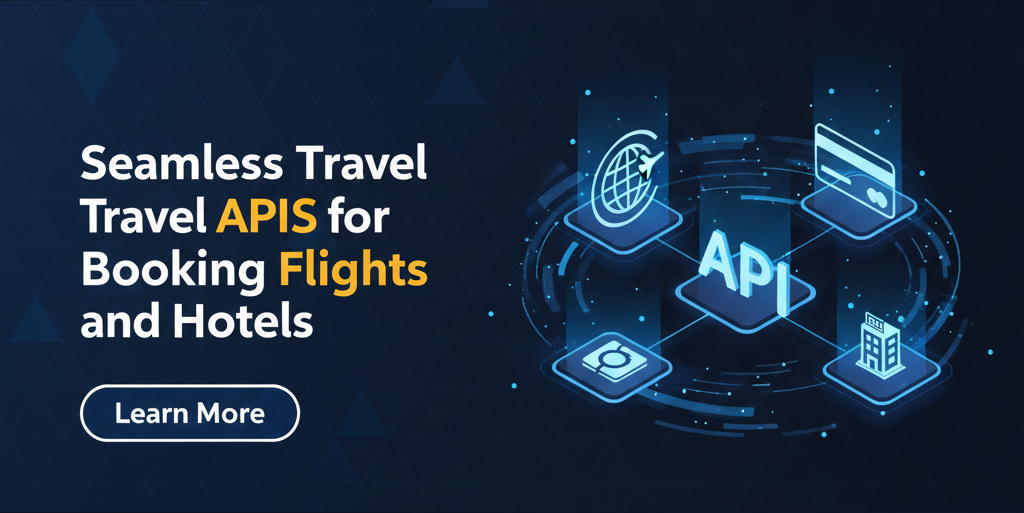
Beyond basic connectivity, successful implementation requires architectural precision. Travel platforms often integrate multiple APIs simultaneously, including airline GDS feeds such as Amadeus or Sabre, hotel suppliers, and payment gateways. The Google Travel Api layer must interact smoothly with these components through an orchestration engine.This orchestration engine evaluates supplier responses based on fare competitiveness, cancellation policies, and commission structures. Intelligent routing ensures the most relevant inventory is displayed first. Such strategies align closely with emerging top flight booking api provider trends, where automation and predictive analytics drive higher conversion rates.Mobile app integration is equally important. Lightweight REST endpoints enable faster search responses on Android and iOS platforms. Token-based security protocols protect user data during booking transactions. Payment modules handle multi-currency conversions and tax calculations automatically.For agencies expanding into corporate travel management, policy compliance filters can be layered over API responses. These filters restrict fare classes, preferred airlines, and budget limits. Automation modules also handle schedule change notifications, refund processing, and ticket revalidation. This integrated ecosystem transforms raw API data into a reliable booking infrastructure capable of handling high transaction volumes.

When deploying Google Travel Api within a commercial booking platform, businesses typically evaluate three integration models. The first model uses direct API integration with a custom booking engine. This approach offers maximum control over branding, markup configuration, and user interface design. It requires experienced developers and ongoing monitoring.The second model relies on white label travel portals connected to backend APIs. This reduces time to market and lowers initial investment. Agencies can focus on marketing and distribution while maintaining supplier connectivity.The third model combines direct integration with AI-driven revenue optimization tools. In this architecture, microservices manage search, pricing, booking, and payment functions independently. Cloud-based deployment with container orchestration ensures scalability during peak travel seasons.From a commercial perspective, integration must consider commission structures, transaction fees, and payment gateway costs. Secure encryption and PCI compliance remain mandatory. Real-time logging and monitoring tools track API latency and booking performance. A structured rollout plan includes sandbox testing, UAT validation, and production certification before launch. This disciplined approach ensures operational reliability and long-term growth.

For travel agencies, startups, and enterprise OTAs seeking sustainable growth, Google Travel Api integration should align with broader digital strategy. Visibility alone does not guarantee profitability. The booking engine must support dynamic markups, commission optimization, and cross-sell opportunities.Established travel technology providers focus on delivering modular integration frameworks that combine flights, hotels, transfers, and holiday packages under one ecosystem. High client retention often reflects stable API uptime and responsive technical support. Travel companies entering competitive markets benefit from structured documentation, performance benchmarking, and scalable cloud deployment.Whether launching a new OTA, upgrading legacy infrastructure, or expanding into B2B distribution, integrating Google Travel Api within a secure and scalable architecture ensures readiness for future distribution changes. With AI-powered analytics, GDS and NDC connectivity, and mobile-first optimization, booking platforms can compete effectively in a rapidly evolving digital marketplace.
FAQs
Q1. What is Google Travel Api integration?
It connects structured travel data with booking engines to ensure accurate pricing and availability.
Q2. Can startups integrate Google Travel Api?
Yes, startups can deploy sandbox testing and scale gradually using cloud-based infrastructure.
Q3. Does it support GDS connectivity?
Yes, integration can work alongside GDS and NDC distribution channels.
Q4. Is mobile app integration possible?
REST-based endpoints allow seamless integration with Android and iOS applications.
Q5. How secure is the booking process?
Security relies on encrypted communication, secure authentication, and PCI-compliant payment gateways.
Q6. Can agencies apply dynamic pricing?
Yes, AI-driven pricing engines can adjust markups based on demand patterns.
Q7. What deployment model suits enterprises?
Microservices architecture with cloud orchestration ensures scalability and reliability.
Q8. How does integration improve conversions?
Accurate real-time pricing and faster search responses reduce booking friction.